
Korea’s UNESCO World Heritage Sites (As of 2025, 17 Sites)
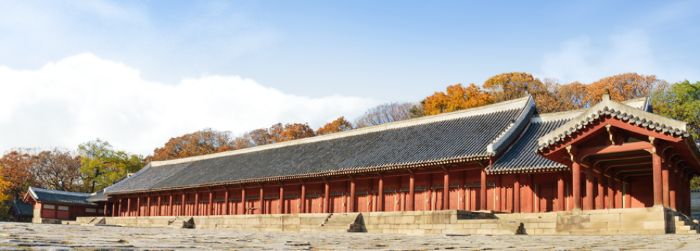
Jongmyo Shrine
Year of Inscription: 1995
Location: Seoul
Confucian royal shrine dedicated to the memorial services for the deceased kings and queens of the Joseon Dynasty.

Haeinsa Temple Janggyeong Panjeon
Year of Inscription: 1995
Location: Hapcheon, Gyeongsangnam-do
The storage halls for the Tripitaka Koreana woodblocks, remarkable for their scientific design and preservation techniques.
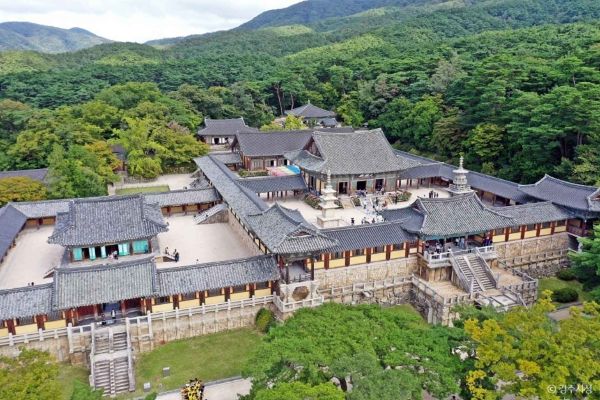
Seokguram Grotto and Bulguksa Temple
Year of Inscription: 1995
Location: Gyeongju
Masterpieces of Buddhist art and architecture from the 8th century Silla Kingdom.
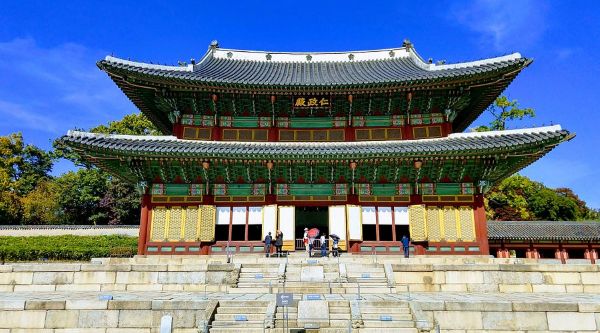
Changdeokgung Palace Complex
Year of Inscription: 1997
Location: Seoul
Joseon Dynasty palace noted for its harmonious integration with the natural landscape and Secret Garden.
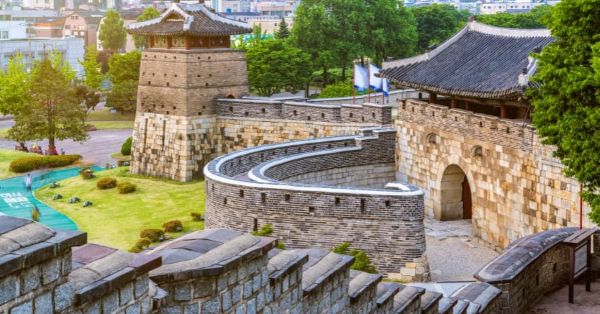
Hwaseong Fortress
Year of Inscription: 1997
Location: Suwon
A late 18th-century fortress that blends Eastern and Western military architecture.
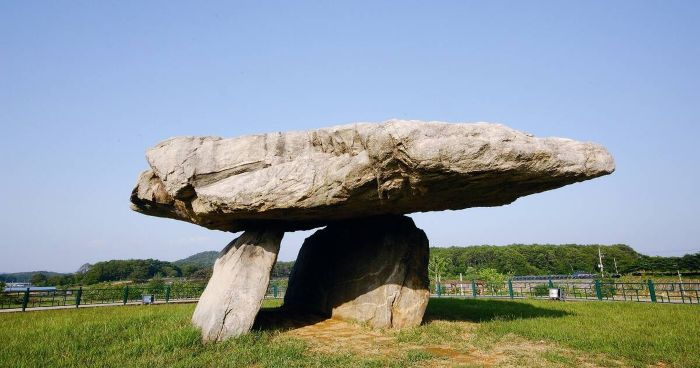
Gochang, Hwasun and Ganghwa Dolmen Sites
Year of Inscription: 2000
Location: Jeollabuk-do, Jeollanam-do & Incheon
The largest concentration of dolmens in the world, serving as prehistoric burial sites dating from the 1st millennium BCE.
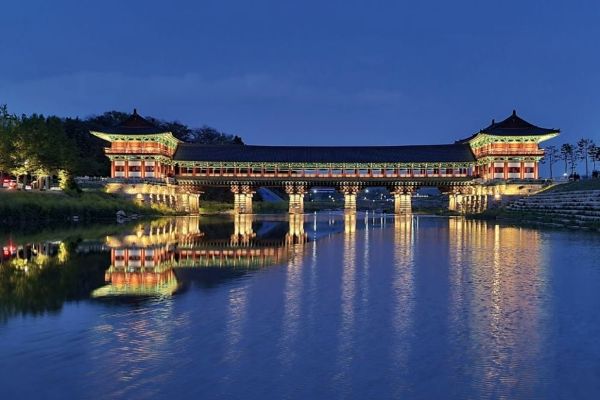
Gyeongju Historic Areas
Year of Inscription: 2000
Location: Gyeongju
The ancient capital of the Silla Kingdom, containing temples, palaces, pagodas, and tombs spanning centuries of Korean history.
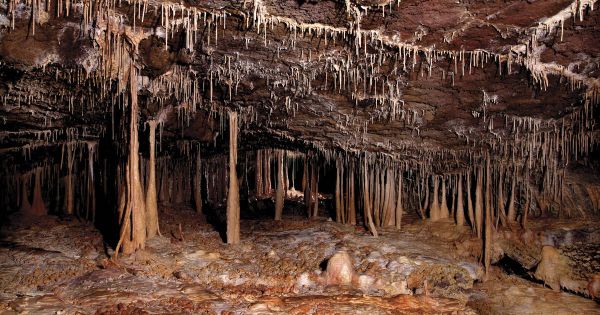
Jeju Volcanic Island and Lava Tubes
Year of Inscription: 2007
Location: Jeju-do
A spectacular volcanic landscape with lava tubes, craters, and Mount Hallasan, showcasing geological processes and unique biodiversity.
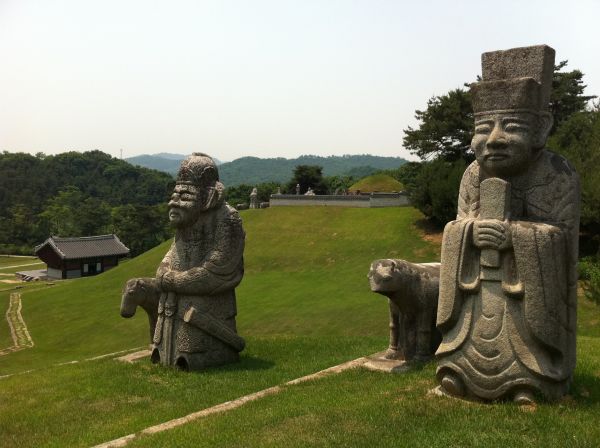
Royal Tombs of the Joseon Dynasty
Year of Inscription: 2009
Location: Across Korea
A collection of 40 tombs honoring Joseon monarchs, showcasing unique Confucian-influenced funeral architecture and landscapes.
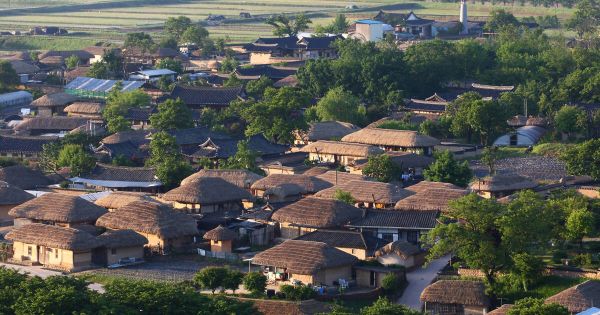
Historic Villages of Korea: Hahoe and Yangdong
Year of Inscription: 2010
Location: Andong & Gyeongju
Preserved traditional clan villages reflecting Confucian culture, architecture, and living heritage of the Joseon Dynasty.

Namhansanseong
Year of Inscription: 2014
Location: Gyeonggi-do
A mountain fortress used as an emergency capital for the Joseon court, symbolizing resilience and Confucian governance.

Baekje Historic Areas
Year of Inscription: 2015
Location: Gongju, Buyeo & Iksan
This site comprises eight archaeological locations from the late Baekje Kingdom (475–660 CE), including fortresses, temples, royal tombs, and capital cities.
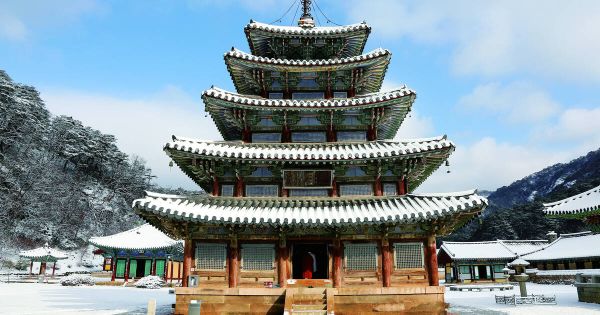
Sansa, Buddhist Mountain Monasteries in Korea
Year of Inscription: 2018
Location: Various provinces
Seven mountain monasteries that have been centers of Buddhist practice in Korea since the 7th century, preserving halls, pavilions, and meditation sites.
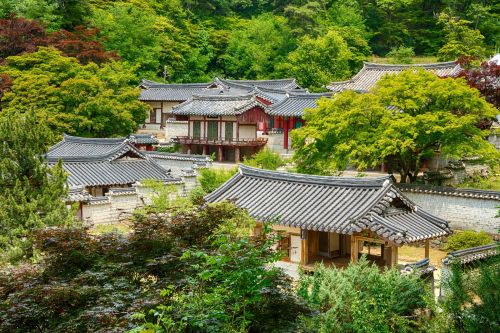
Seowon, Korean Neo-Confucian Academies
Year of Inscription: 2019
Location: Across Korea
Nine private Confucian academies from the Joseon Dynasty, reflecting the importance of Confucian education and scholarship in Korean society.

Getbol, Korean Tidal Flats
Year of Inscription: 2021
Location: Southwestern coast of Korea
Extensive tidal flats along Korea’s Yellow Sea coast, rich in biodiversity and serving as crucial stopovers for migratory birds.
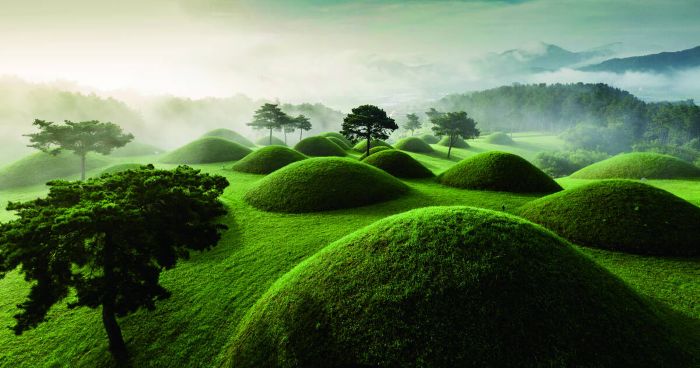
Gaya Tumuli
Year of Inscription: 2023
Location: Gyeongsangnam-do
A group of ancient burial mounds from the Gaya Confederacy (1st–6th centuries CE), showcasing the unique political and cultural identity of this region.

Petroglyphs along the Bangucheon Stream
Year of Inscription: 2025
Location: Ulsan
Prehistoric rock carvings depicting hunting, fishing, and ritual scenes, providing rare insight into ancient Korean life and beliefs.