
List of Iran’s UNESCO World Heritage Sites (As of 2025, 29 sites inscribed)
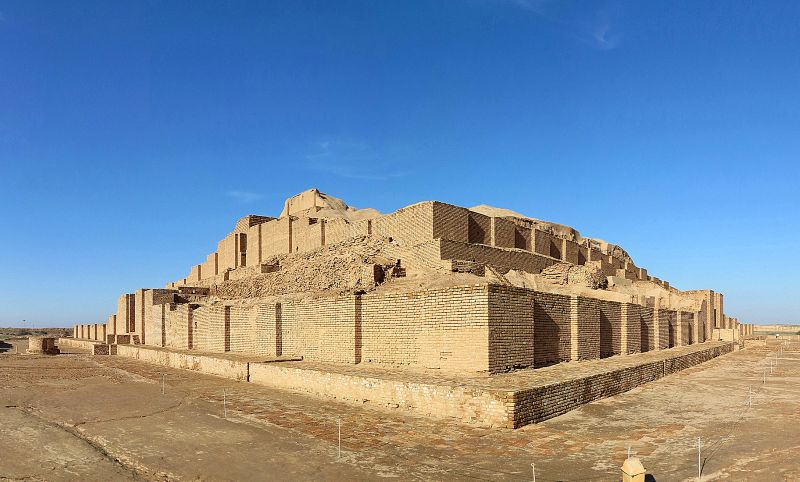
Chogha Zanbil
Year of Inscription: 1979
City: Ahvaz
One of the largest ziggurats in the world, built by the ancient Elamites. Remarkable for its massive scale and excellent preservation.
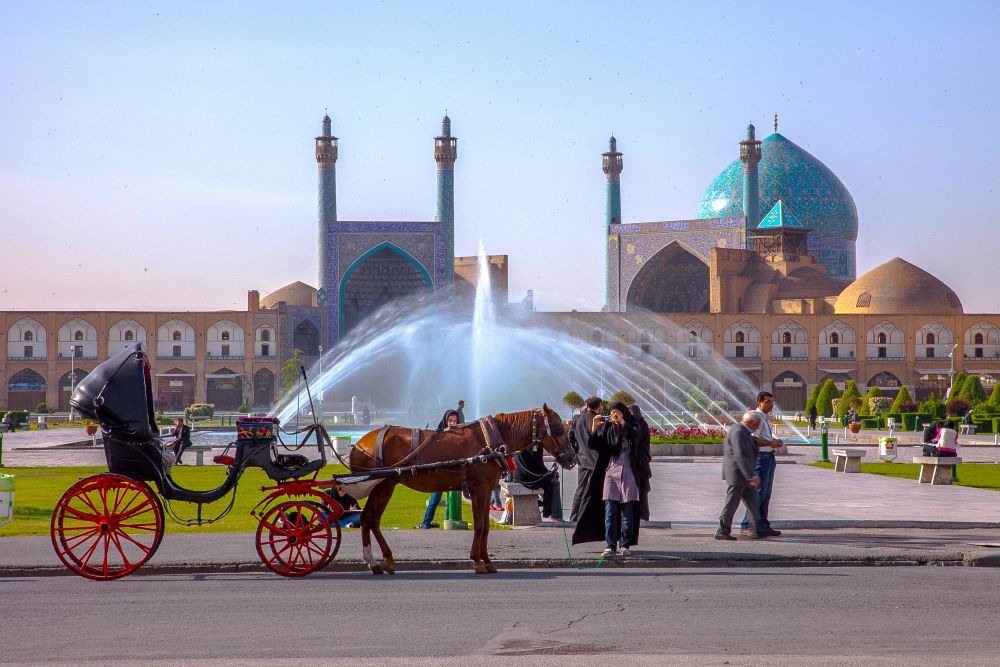
Imam Square (Isfahan)
Year of Inscription: 1979
City: Isfahan
A grand square built by Shah Abbas I of the Safavid dynasty, surrounded by majestic mosques and palaces—renowned for its architectural harmony and cultural significance.
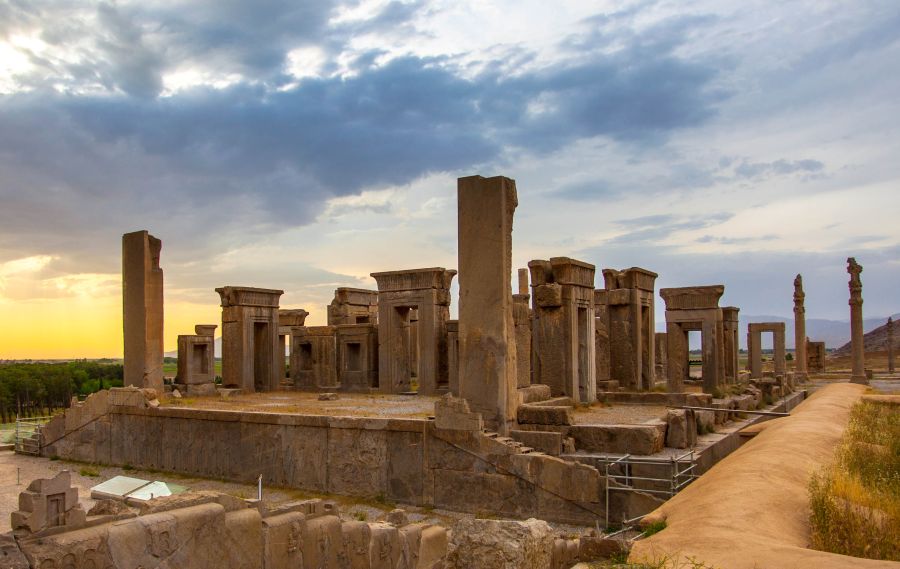
Persepolis
Year of Inscription: 1979
City: Shiraz
A ceremonial capital built by Darius the Great, symbolizing the Achaemenid Empire. Features include the Hall of Hundred Columns and elaborate reliefs.
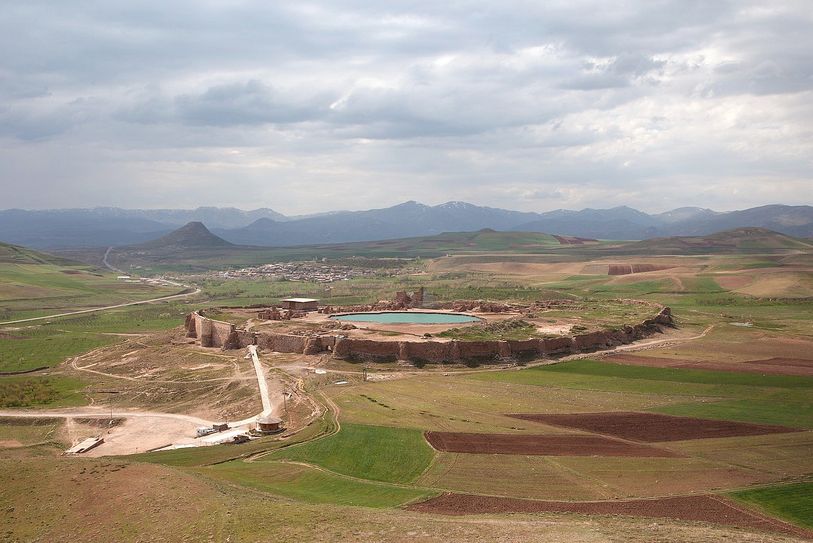
Takht-e Soleyman
Year of Inscription: 2003
City: Zanjan
A Zoroastrian sanctuary from the Sassanid era featuring a temple and sacred lake, evoking mysticism and religious significance.
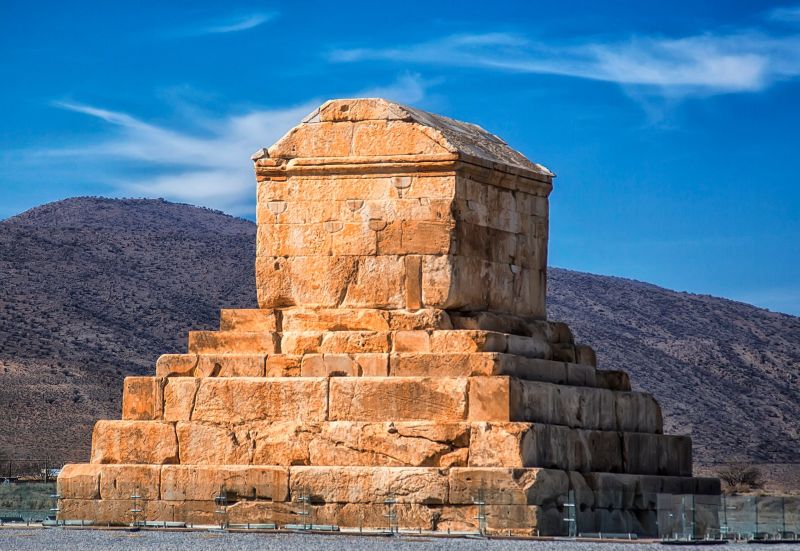
Pasargadae
Year of Inscription: 2004
City: Shiraz
The capital of Cyrus the Great, founder of the Achaemenid Empire. Known for its palaces and garden layout reflecting early Persian urban planning.
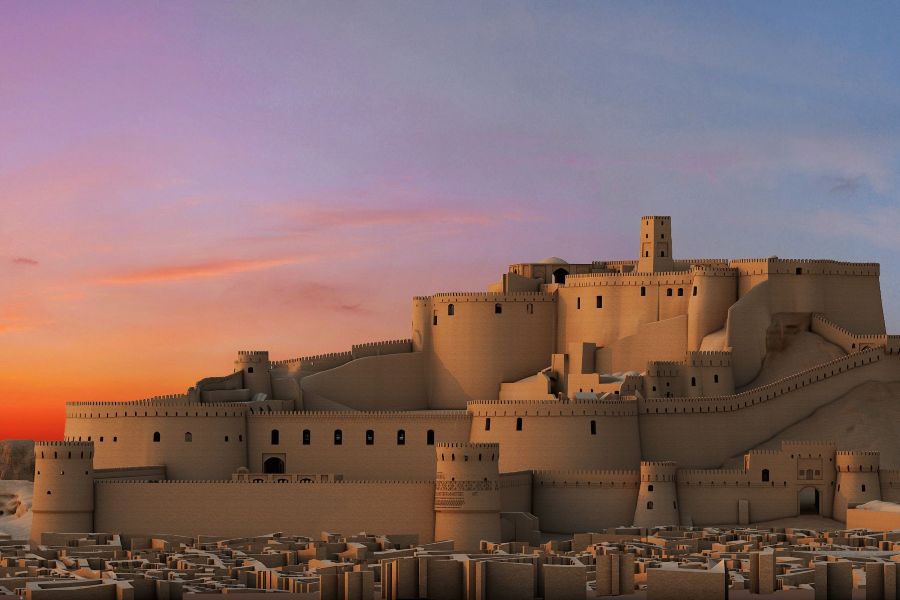
Bam and Its Cultural Landscape
Year of Inscription: 2004
City: Kerman
A desert oasis city with the world’s largest adobe citadel. Severely damaged in the 2003 earthquake and under restoration.
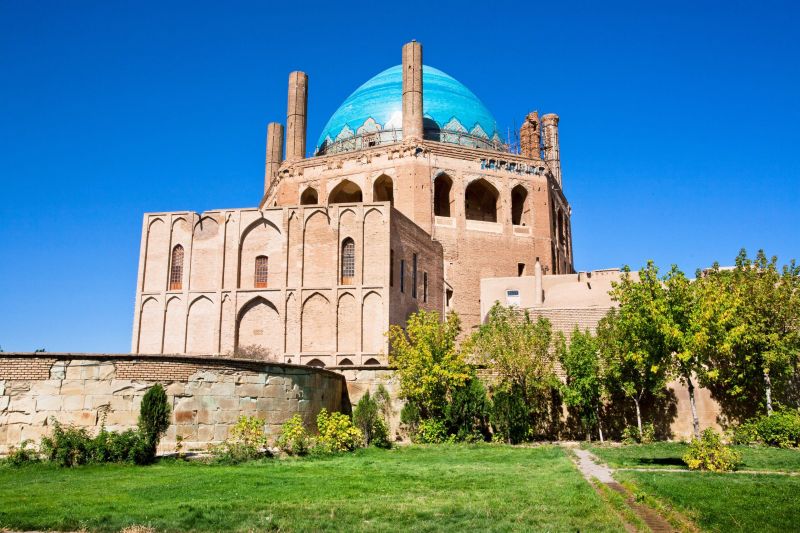
Soltaniyeh
Year of Inscription: 2005
City: Zanjan
A monumental mausoleum built during the Ilkhanid period, known for its splendid decoration and significant influence on later Islamic architecture.
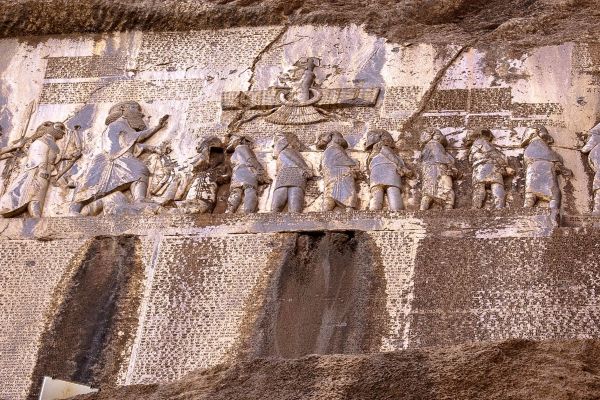
Bisotun
Year of Inscription: 2006
City: Kermanshah
Features a large inscription carved by Darius I to assert his legitimacy. A key to deciphering cuneiform script, making it of great historical importance.
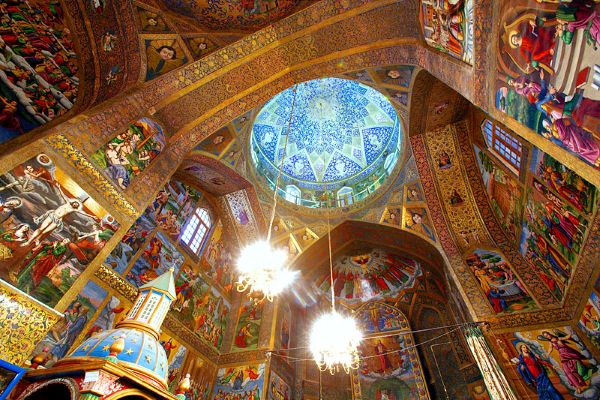
Armenian Monastic Ensembles of Iran
Year of Inscription: 2008
City: West Azerbaijan Province
A group of monasteries reflecting the traditions of the Armenian Christian Church, preserving religious and architectural heritage from the medieval period.
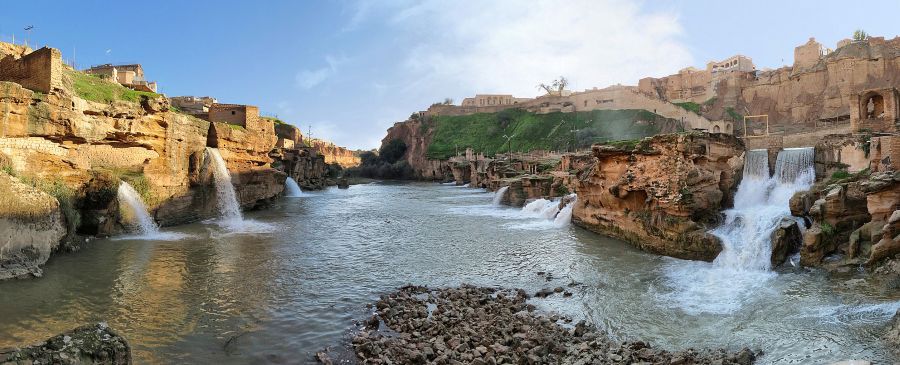
Shushtar Historical Hydraulic System
Year of Inscription: 2009
City: Ahvaz
An advanced water management system from the era of Darius I, including tunnels, watermills, and dams that continue to provide irrigation today.

Historic Bazaar Complex of Tabriz
Year of Inscription: 2010
City: Tabriz
One of the oldest bazaars in the Middle East, this vibrant commercial hub has long been central to trade and culture in Tabriz, renowned especially for its carpet market.

Sheikh Safi al-din Khanegah and Shrine Ensemble in Ardabil
Year of Inscription: 2010
City: Ardabil
The mausoleum of the founder of the Safavid order, this site harmonizes Islamic architecture with Sufi spiritual tradition as a religious complex.

The Persian Garden
Year of Inscription: 2011
City: Yazd, Shiraz, Kerman, etc.
A collection of traditional gardens across Iran, designed with symbolic use of water and greenery to represent paradise. Each garden showcases unique spatial arrangements and architectural harmony.

Gonbad-e Qabus
Year of Inscription: 2012
City: Gorgan
A 53-meter-high cylindrical brick tower built in 1006, exemplifying early Islamic architectural style. Believed to contain the tomb of Ziyarid ruler Qabus ibn Voshmgir.

Jameh Mosque of Isfahan
Year of Inscription: 2012
City: Isfahan
This mosque showcases the evolution of Islamic architecture in Iran over more than a millennium, noted for its spatial structure and intricate tilework.
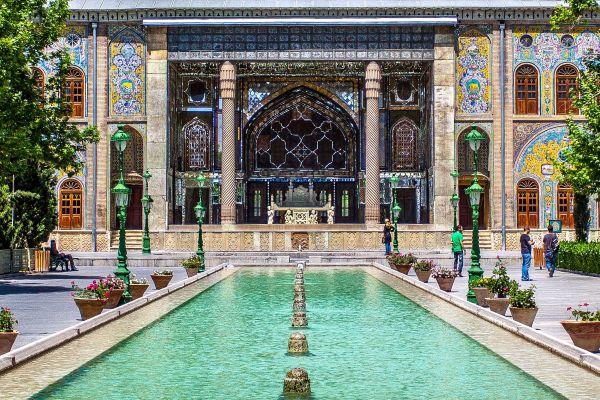
Golestan Palace
Year of Inscription: 2013
City: Tehran
A royal complex from the Qajar era blending Persian and European styles. Its mirror hall and lush gardens make it a popular attraction in the capital.

Shahr-e Sukhteh (Burnt City)
Year of Inscription: 2014
City: Zahedan
A Bronze Age urban settlement that reveals evidence of advanced urban planning and culture from a literate-less civilization.

Susa
Year of Inscription: 2015
City: Susa (Khuzestan Province)
An archaeological site of great importance, once a capital of the Elamite and Achaemenid empires. It served as a center of religion, administration, and culture.
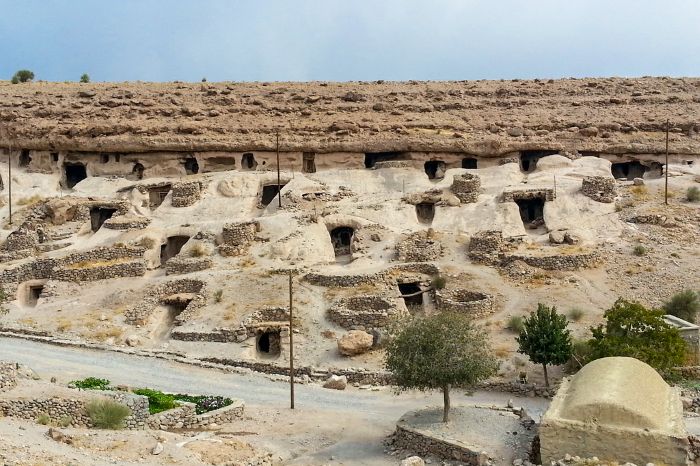
Cultural Landscape of Maymand
Year of Inscription: 2015
City: Kerman Province
A prehistoric troglodyte settlement where people carved homes into rocks and practiced seasonal migration—a rare example of cultural adaptation to the harsh environment.
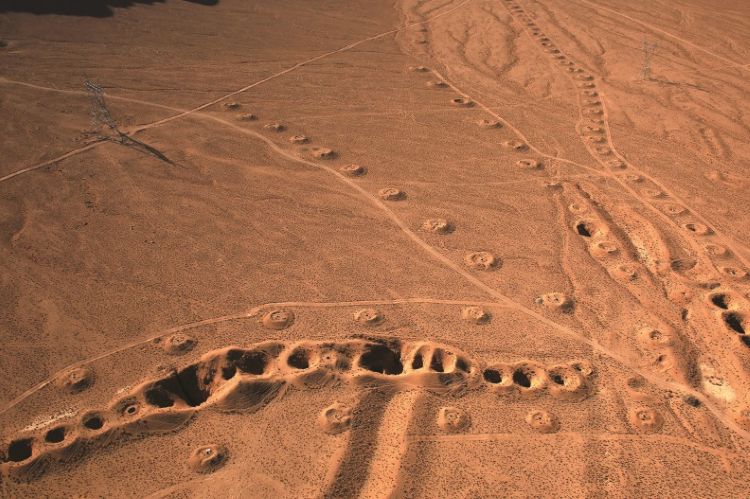
The Persian Qanat
Year of Inscription: 2016
City: Yazd Province and others
An ancient water management system that channels groundwater to the surface using underground tunnels—still in use today in arid regions of Iran.

Lut Desert
Year of Inscription: 2016
City: Kerman Province
One of the hottest and driest places on Earth, this vast desert is noted for its dramatic landforms and unique natural features.

Historic City of Yazd
Year of Inscription: 2017
City: Yazd
Located in central Iran’s desert, Yazd is characterized by mudbrick architecture, windcatchers, and the legacy of Zoroastrianism, preserving a unique urban layout adapted to the environment.

Sassanid Archaeological Landscape of Fars Region
Year of Inscription: 2018
City: Fars Province
A cluster of fortified structures, urban remains, and rock reliefs from the Sassanid Empire, offering insight into early Persian city planning, architecture, and imperial symbolism.
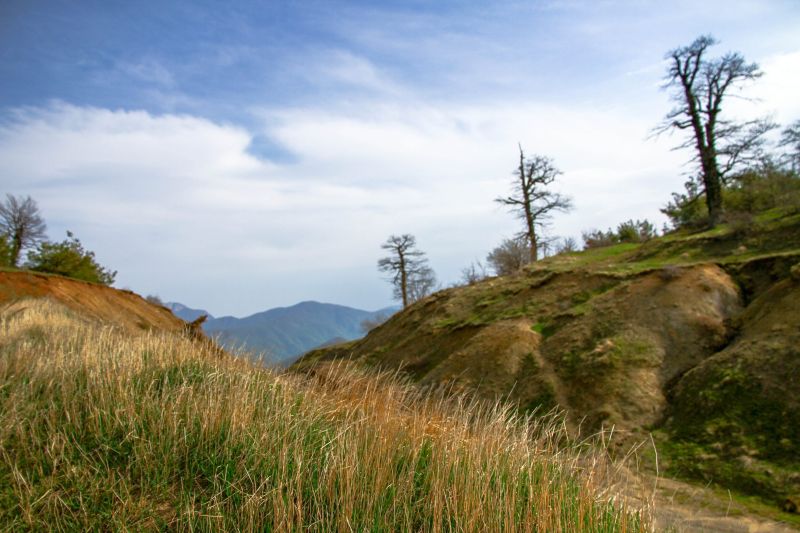
Hyrcanian Forests
Year of Inscription: 2019
City: South Caspian Region (Golestan to Gilan)
Originating some 25 million years ago, this broadleaf forest stretches between the Caspian Sea and Alborz Mountains and is home to a rich diversity of flora and fauna.

Trans-Iranian Railway
Year of Inscription: 2021
City: North (Caspian Sea) to South (Persian Gulf)
Stretching from Bandar-e Torkaman on the Caspian to Khorramshahr on the Persian Gulf, this railway traverses mountains, deserts, and plains, praised for its technical achievement and scenic route.
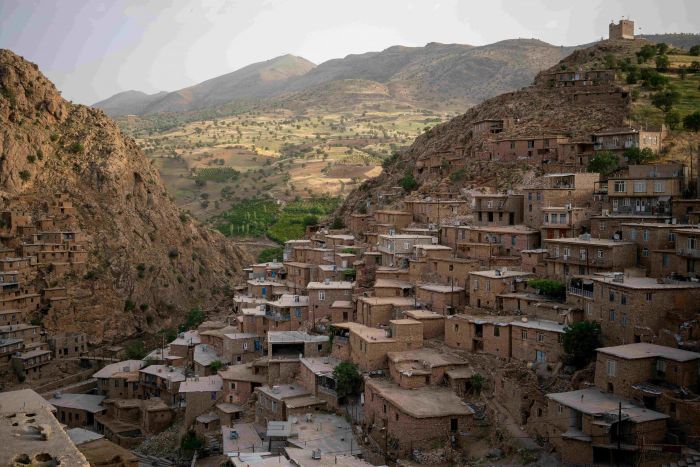
Cultural Landscape of Hawraman/Uramanat
Year of Inscription: 2021
City: Kurdistan & Kermanshah Provinces
A mountainous region inhabited by Kurds for centuries, known for its stepped villages, traditional culture, spiritual practices, and harmony with the rugged natural environment.

Persian Caravanserai
Year of Inscription: 2023
City: Various (54 locations)
A series of roadside inns that served travelers along trade routes including the Silk Road. These structures reflect a range of architectural styles and regional adaptations.

Hegmataneh (Ecbatana) Archaeological Site
Year of Inscription: 2024
City: Hamadan Province
Once the capital of the Median Empire, this site reveals layers of urban planning and architecture influenced by Achaemenid and Sassanid civilizations.

Khoramabad Valley Prehistoric Sites
Year of Inscription: 2025
Location: Around Khorramabad, Lorestan Province
This area preserves traces of human activity dating back to the Paleolithic era. Cave and rock shelter sites have yielded stone tools, animal bones, and other archaeological remains, making it a significant location for prehistoric studies in western Iran.